
LMA Blog
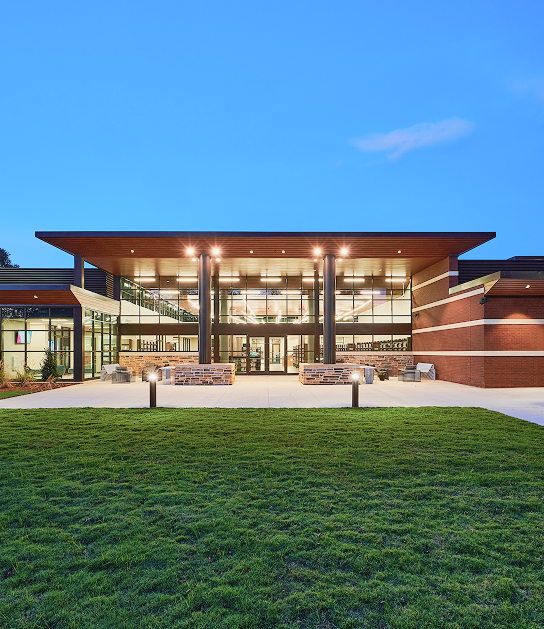
As education continues to evolve, so do the spaces where students learn, collaborate, and grow. At Riverside Elementary, our design team set out to create an environment that goes beyond traditional classrooms — one that inspires curiosity, encourages interaction, and supports a variety of learning styles.
The new design focuses on flexibility and engagement. Movable partitions and modular furniture allow teachers to easily reconfigure spaces for group projects, presentations, or independent study. Ample natural light and carefully balanced acoustics create a comfortable atmosphere that enhances focus and creativity.
Technology integration played a major role as well. Each classroom is equipped with interactive display systems, charging stations, and seamless digital connectivity to support modern teaching tools. Shared breakout zones and learning commons provide opportunities for collaboration between grades, promoting a stronger sense of community within the school.
Sustainability was another key consideration. Energy-efficient lighting, low-emission materials, and improved ventilation systems ensure a healthy environment for students and staff while reducing long-term operational costs.
Ultimately, the goal was to design a school that adapts to the needs of both educators and students — a place that empowers learning today and remains adaptable for the innovations of tomorrow.
TInnovative Learning Spaces for Riverside Elementary
As education continues to evolve, so do the spaces where students learn, collaborate, and grow. At Riverside Elementary, our design team set out to create an environment that goes beyond traditional classrooms — one that inspires curiosity, encourages interaction, and supports a variety of learning styles.
The new design focuses on flexibility and engagement. Movable partitions and modular furniture allow teachers to easily reconfigure spaces for group projects, presentations, or independent study. Ample natural light and carefully balanced acoustics create a comfortable atmosphere that enhances focus and creativity.
Technology integration played a major role as well. Each classroom is equipped with interactive display systems, charging stations, and seamless digital connectivity to support modern teaching tools. Shared breakout zones and learning commons provide opportunities for collaboration between grades, promoting a stronger sense of community within the school.
Sustainability was another key consideration. Energy-efficient lighting, low-emission materials, and improved ventilation systems ensure a healthy environment for students and staff while reducing long-term operational costs.
Ultimately, the goal was to design a school that adapts to the needs of both educators and students — a place that empowers learning today and remains adaptable for the innovations of tomorrow.